 English
 Français
 العربية

What began as an experiment in aeroponic agriculture has gradually grown into a living learning space at Sorbonne University Abu Dhabi. Over the course of the academic year, students planted, observed, maintained and harvested crops while exploring the connections between sustainability, language, creativity and collective responsibility. “Cultivating the Emirati Garden” has thus evolved beyond the installation of two aeroponic towers into a hands-on educational project involving students, instructors and the wider university community.
The initiative was launched under the leadership of Dr. Karine Germoni, Associate Professor in French Language and Literature, Head of the French Studies Department and Head of the French as a Foreign Language (FLE) Department, together with Mme Nathalie Bouyssy, Lecturer in French as a Foreign Language (FLE). Together, they established the French-language Sustainability Club “Cultivating the Emirati Garden,” as a part of the Intensive French Programme (FLE) at Sorbonne University Abu Dhabi.
Inspired by Voltaire’s famous words from Candide, “Il faut cultiver son jardin” – “we must cultivate our garden” – the project connects French language and culture with environmental responsibility and everyday sustainable practices. From its inception, the initiative was designed to transform sustainability from an abstract concept into an experiential learning opportunity for SUAD students.
Working closely with Mme Ghita Bahmad, CEO of The Food Engineer, and her team, SUAD students were introduced to aeroponic agriculture through workshops, demonstrations, and practical activities. The two aeroponic towers installed at the entrance of SUAD became a living laboratory where students could observe plant growth, learn about soilless farming, and participate directly in cultivation and maintenance.
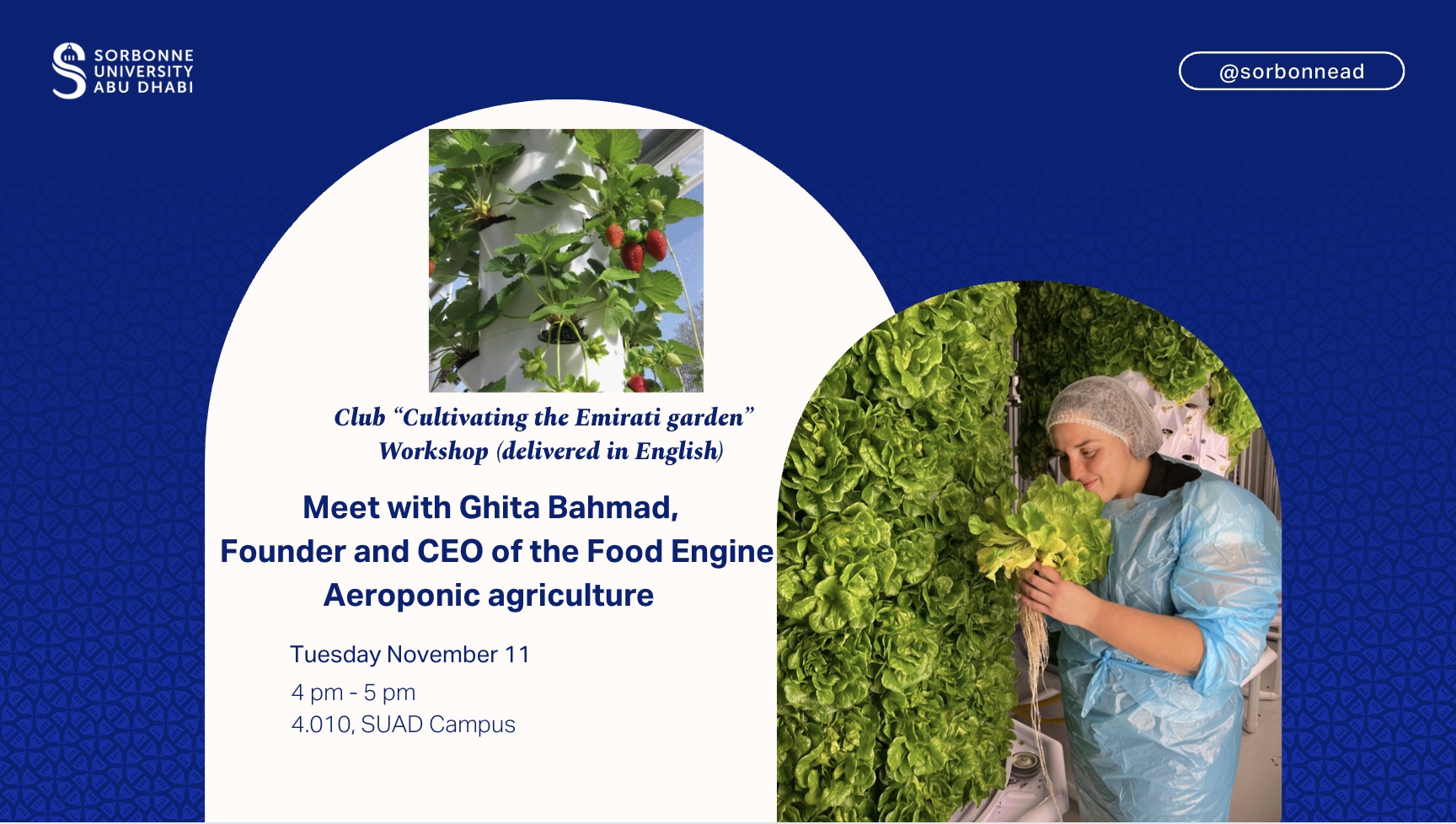
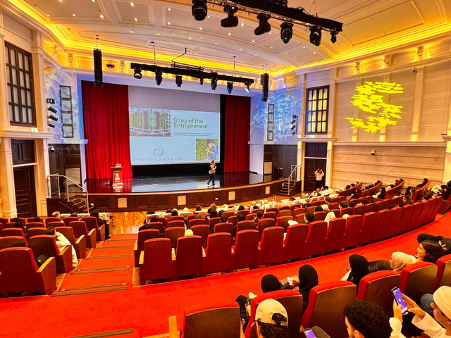
The collaboration began on 11 November 2025, when Mme Ghita Bahmad introduced students from the FLE Sustainability Club “Cultivating the Emirati Garden” and the Master in Sustainable Environmental Engineering and Law (SEEL) programme to the principles of aeroponic agriculture during the Aeroponic Agriculture Workshop.
Picture 1. Introductory Aeroponic Agriculture Workshop led by Mme Ghita Bahmad at Sorbonne University Abu Dhabi, 11 November 2025. Source: FLE Department, Sorbonne University Abu Dhabi.
The initiative expanded further on 12 February 2026, when Mme Bahmad conducted a workshop for around 100 pupils from Lycée Louis Massignon and Lycée Français International Théodore Monod in Abu Dhabi, Lycée Français Jean Mermoz in Dubai, and French learners from GEMS Modern Academy in Dubai. The workshop extended the project’s educational reach beyond SUAD and introduced younger learners to aeroponic agriculture and sustainable cultivation.
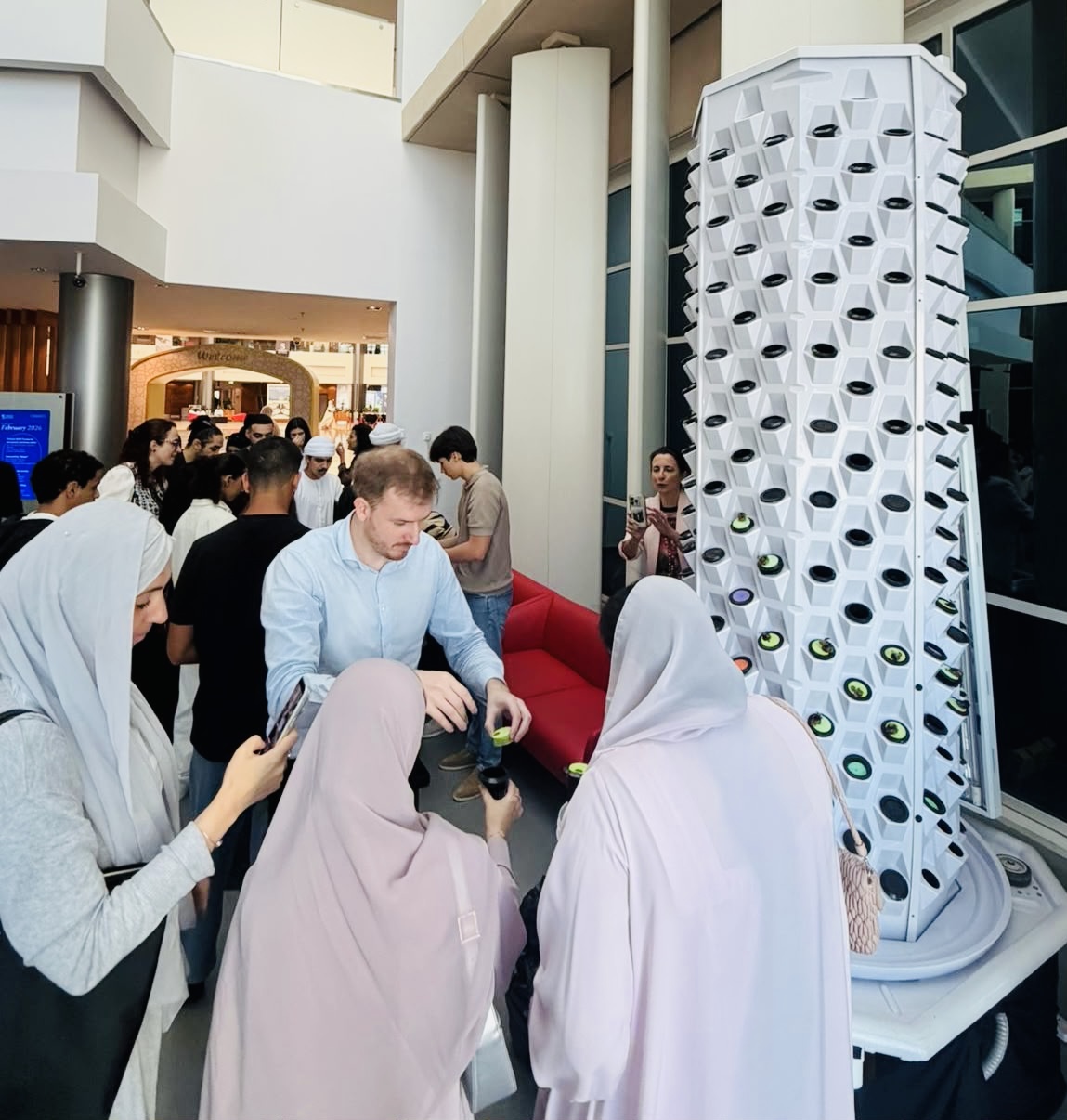
On 13 February 2026, Mme Bahmad facilitated a dedicated Aeroponic Agriculture Workshop for FLE students at Sorbonne University Abu Dhabi, giving them the opportunity to explore the aeroponic system and connect French-language learning with sustainability through a practical learning experience.
Picture 2. Mme Ghita Bahmad facilitating an Aeroponic Agriculture Workshop for students at Sorbonne University Abu Dhabi, 13 February 2026. Source: FLE Department, Sorbonne University Abu Dhabi.
From Seedling to Harvest
Once the seedlings were transferred into the towers, the project entered a new phase. With the support of the SUAD General Services team, students monitored the plants’ development while gradually taking responsibility for the system that sustained them.
They learned how to manage the tower’s lighting, motor and water pump, refill the reservoir with filtered water, and prepare the appropriate nutrient solution. They also monitored pH levels to support efficient nutrient uptake and healthy plant development, turning what had begun as a workshop into an ongoing learning experience.
This practical involvement allowed SUAD students to develop a clearer understanding of plant nutrition, water management, equipment care, and the operational requirements of an aeroponic farming system.
Picture 3. Butterhead lettuce Seedlings Workshop, Sorbonne University Abu Dhabi, 13 February 2026. Source: FLE Department, Sorbonne University Abu Dhabi.
By 27 April 2026, weeks of observation and care had produced the project’s first tangible result: the inaugural harvest. The occasion brought together members of the SUAD community, including SUAD Vice-Chancellor Professor Nathalie Martial Braz, to celebrate and mark an important milestone – a transition from experimenting with aeroponic cultivation to demonstrating that the system could be successfully maintained on campus.
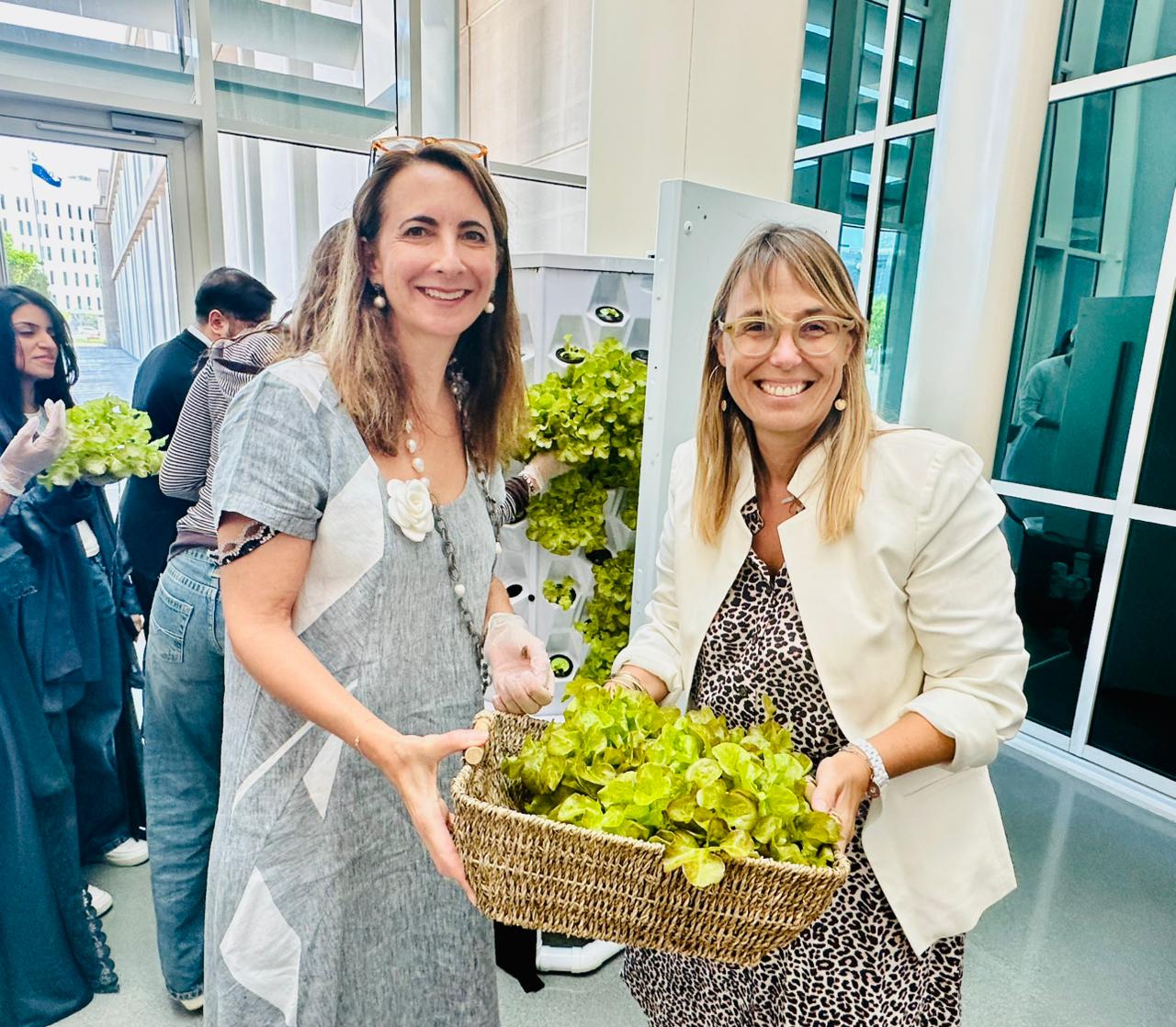
Picture 4. Dr. Karine Germoni and Professor Nathalie Martial Braz at the inaugural Butterhead lettuce Harvesting Workshop, Sorbonne University Abu Dhabi, 27 April 2026. Source: FLE Department, Sorbonne University Abu Dhabi.
Following the harvest, the towers were immediately prepared for another growing cycle. SUAD students participated in transferring new seedlings grown in rockwool into the towers, preparing the nutrient solution, restarting the system, and monitoring the young plants during the critical establishment period.
Building Knowledge and Autonomy
The success of the first growing cycle also raised an important question: how could the knowledge gained through the project be shared and retained within the university for the benefit of the wider SUAD community?
On 19 May 2026, the focus therefore shifted from participation to autonomy as Mme Ghita Bahmad delivered a practical Seed Sowing and Aeroponic Tower Maintenance Workshop, enabling FLE instructors to develop the skills needed to support future growing cycles and lead similar activities with students.
Participants learned how to prepare seedlings, transfer plants into the aeroponic towers, prepare nutrient solutions, operate the system safely, and apply appropriate maintenance procedures.
This training strengthened the long-term sustainability of the project while supporting the vision of Dr. Karine Germoni and Mme Nathalie Bouyssy to integrate environmental awareness and practical learning more closely into FLE activities.
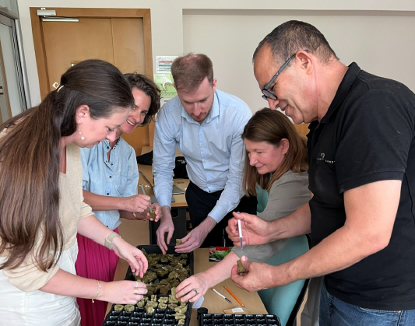
Picture 5. Seed Sowing and Aeroponic Tower Maintenance Workshop for FLE instructors delivered by Mme Ghita Bahmad, Sorbonne University Abu Dhabi, 19 May 2026. Source: FLE Department, Sorbonne University Abu Dhabi.
A Harvest Shared with the SUAD Community
The growing cycle culminated on 9 June 2026, when approximately 250 heads of organic Butterhead lettuce were harvested and shared with students and staff across the university. What had begun months earlier as an introduction to aeroponics had now become something visible, edible and shared across the university community.
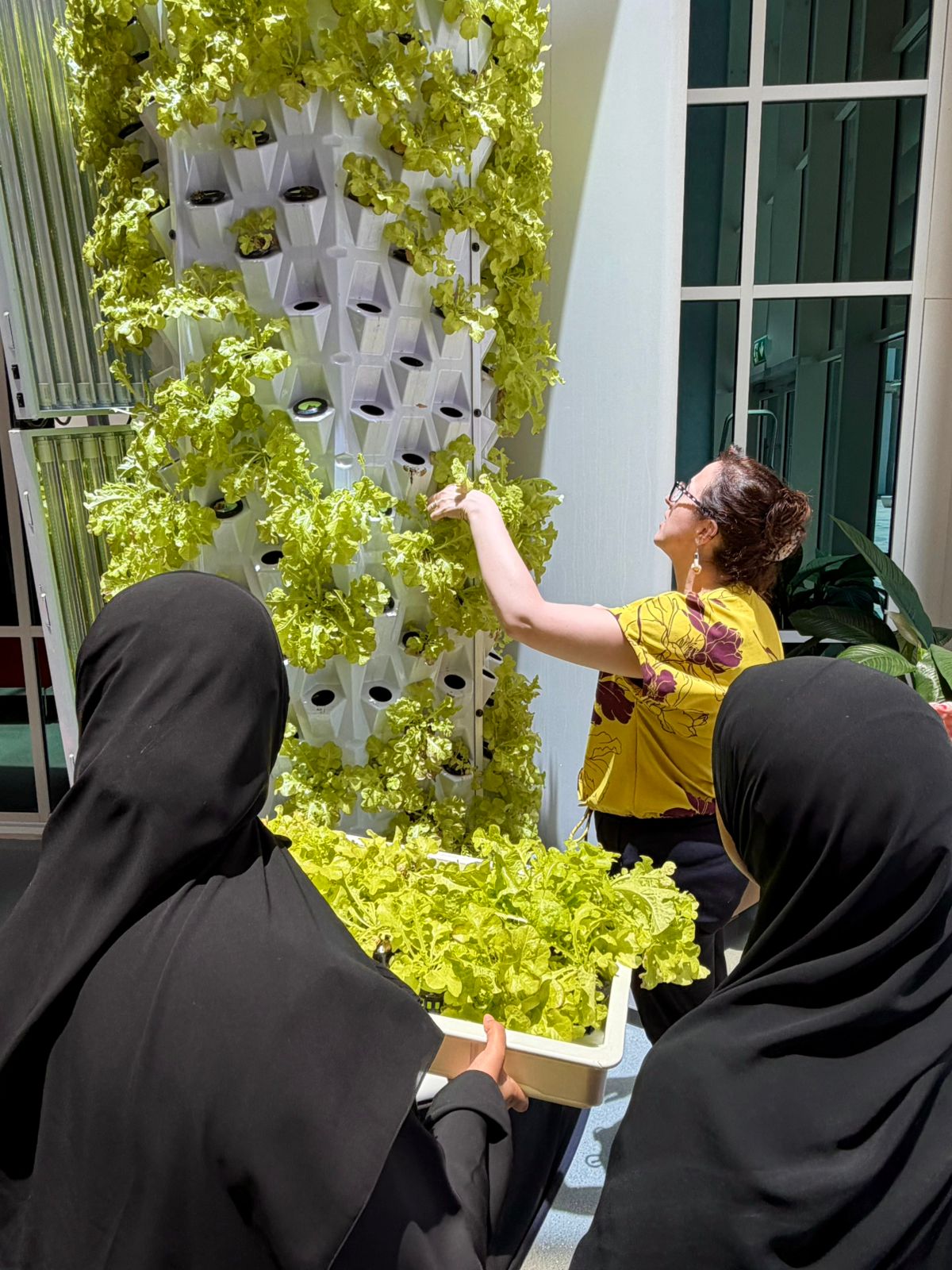
Picture 6. Butterhead lettuce Harvesting Workshop, Sorbonne University Abu Dhabi, 9 June 2026. Source: FLE Department, Sorbonne University Abu Dhabi.
The harvest represented more than the production of fresh food. For participating students, it was the tangible outcome of weeks of observation, teamwork, maintenance, and learning.
Cultivating Creativity: The Aeroponic Poetry Competition
Yet the project did not remain confined to the aeroponic towers. Sustainability also became a source of linguistic and creative expression through the Aeroponic Poetry Competition, bringing together environmental awareness, French-language learning and artistic creativity.
Among the contributors were Lana Abdullah and Rania Ouafi, pupils from Lycée Français International Théodore Monod in Abu Dhabi, who created a calligram inspired by aeroponic cultivation, as well as Norah Andrieu, a pupil from Lycée Louis Massignon in Abu Dhabi, who designed a calligram inspired by strawberries growing on the aeroponic tower. Their work illustrates another dimension of the project: the possibility of approaching sustainability not only through scientific and practical learning, but also through language, poetry, imagination and visual creativity.
Growing Further in 2026–2027
From the first introduction to aeroponics to the harvesting of hundreds of heads of lettuce, the “Cultivating the Emirati Garden” project has given tangible meaning to Voltaire’s invitation to “cultivate our garden.” At Sorbonne University Abu Dhabi, cultivating the garden has come to mean more than growing plants: it is also about cultivating knowledge, responsibility, creativity and a shared commitment to more sustainable ways of living.
The project will continue during Academic Year 2026–2027 through the FLE Green Club led by Dr. Karine Germoni and Mme Nathalie Bouyssy. During the first semester, students plan to grow parsley and basil in the smaller aeroponic tower and lettuce in the larger tower. In the second semester, the project will progress to growing strawberries, introducing a crop that requires more advanced monitoring and maintenance.
Beyond fostering environmental awareness, the initiative aims to deepen students’ knowledge understanding food security, a key national priority for the UAE government, as outlined in the UAE National Food Security Strategy 2051. Through hands-on experience with aeroponic cultivation, students gain valuable insights into how innovative agricultural practices can support local food production and contribute to the development of more resilient and healthy food systems.
With the continued leadership of Dr. Karine Germoni and Mme Nathalie Bouyssy, the ongoing collaboration with Mme Ghita Bahmad and The Food Engineer, and the active participation of SUAD students, instructors, and General Services, the project continues to develop as a sustainable educational model.
As “Cultivating the Emirati Garden” enters its next growing cycle, it continues to show how a simple act of cultivation can bring together sustainability, education, language, creativity and university life.
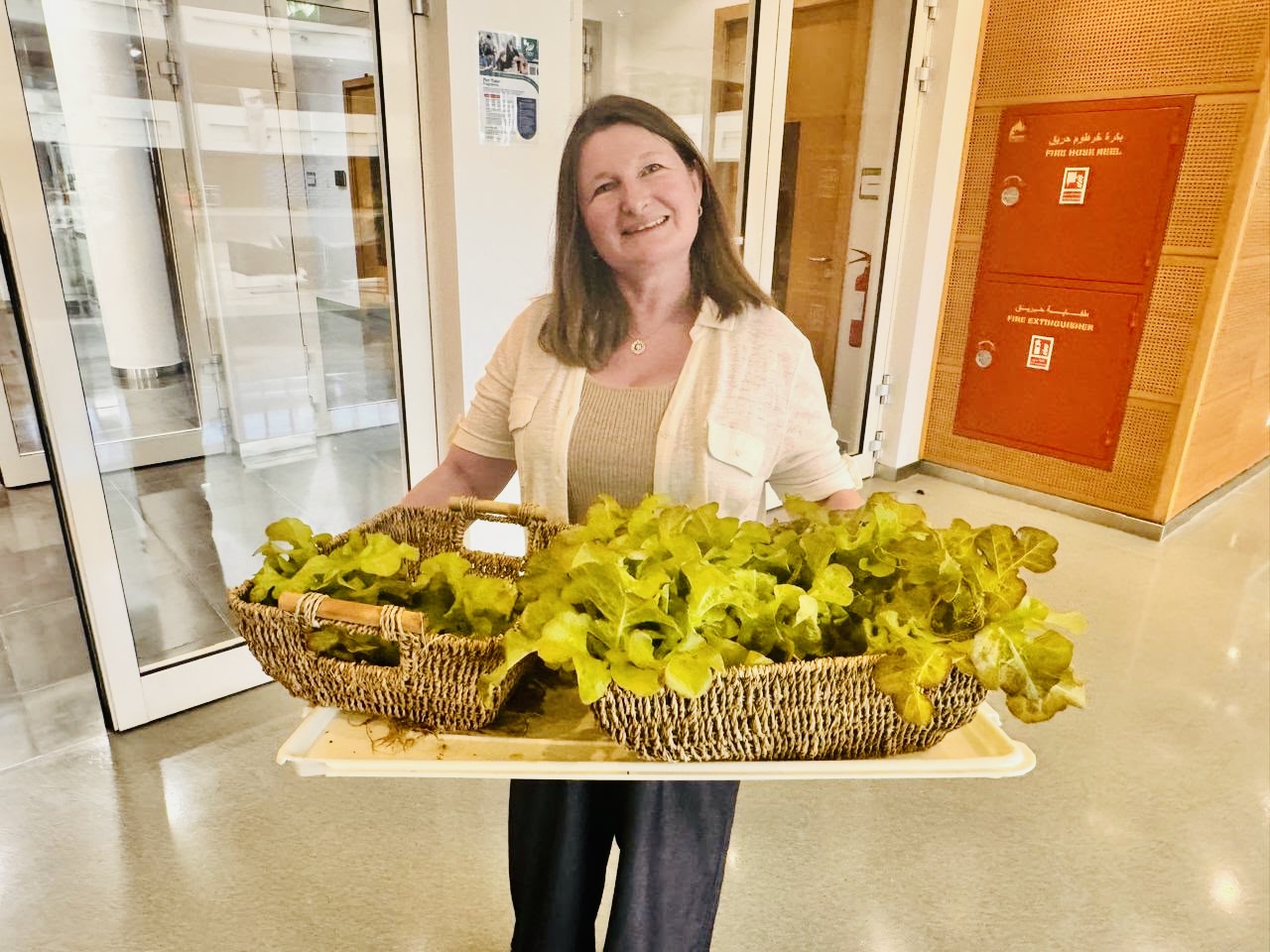
Picture 7. Mme Nathalie Bouyssy, co-founder of the FLE Green Club, Sorbonne University Abu Dhabi, 2026. Source: FLE Department, Sorbonne University Abu Dhabi.


 Contact Us


Facebook X LinkedIn WhatsApp Telegram